Thermalpas field deployment (Taiwan) · Power & Electrical
Capacitor bank: a degrading cell flagged at 78°C, below the alarm
Continuous thermal monitoring of high-voltage capacitor banks and battery arrays, one sensor per cell.
- $25KPlanned repair cost
- $3M+Plant-estimated exposure
- 24/7Multi-cell monitoring

The problem
In a typical industrial substation, dozens of high-voltage capacitors stand in a row, each carrying a share of the plant's reactive power load. The insulating oil inside them ages quietly — no smoke, no smell, no warning. Conventional probes cannot watch many capacitors at once, and when one cell finally fails the cascade is fast: one cell flashes over, the neighbor follows, and the bank can take the plant down with it.
What was installed
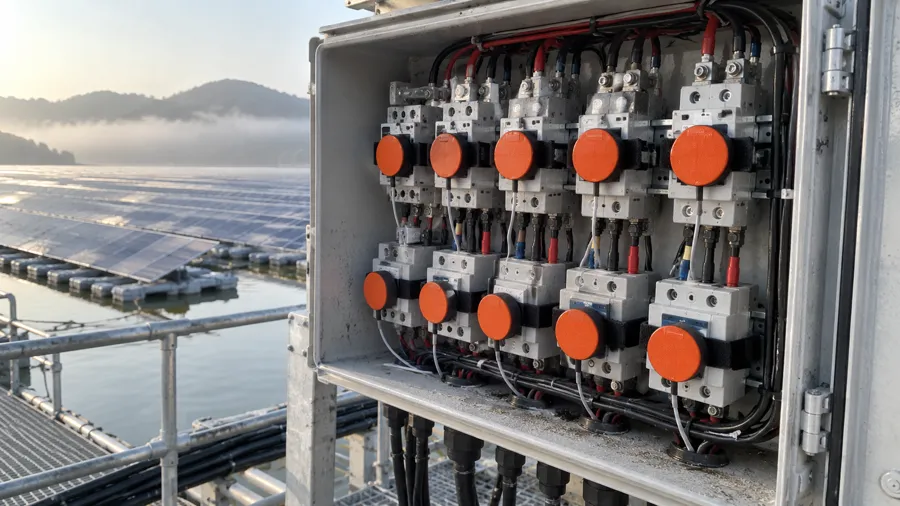
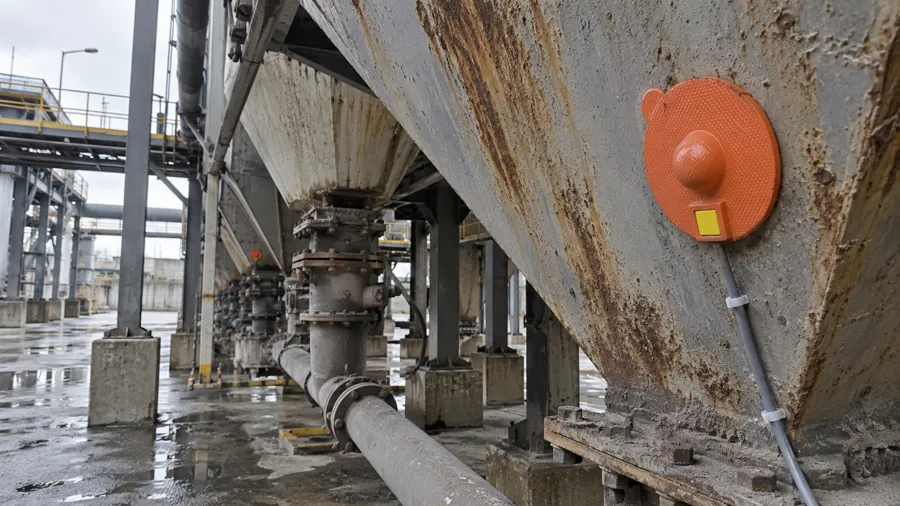
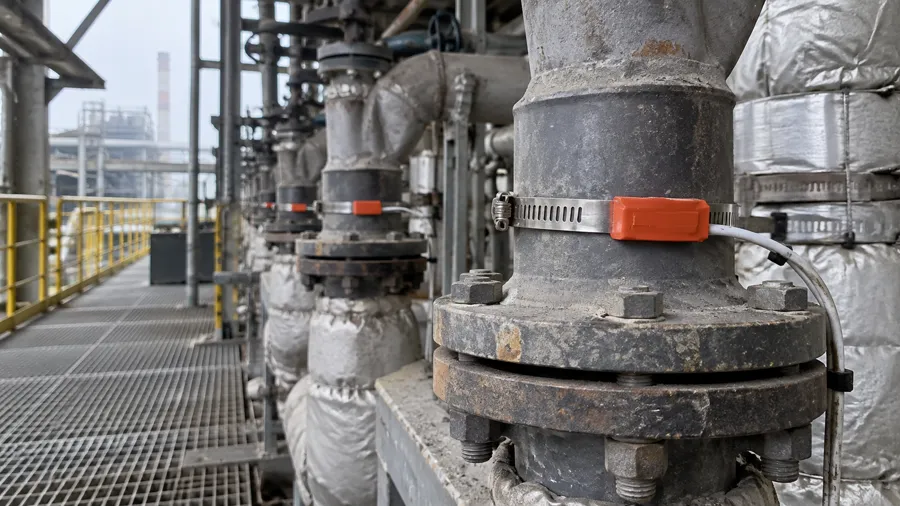
A credit-card-sized Thermalpas M-TYPE patch was adhered to each capacitor casing. A 6-channel controller in the switchgear read them all and streamed the data over RS485 → MQTT to the monitoring software. When any cell trended warmer than its neighbors, the engineer on shift received a LINE or email alert.
- Threshold breach triggers a real-time LINE/email alert; trend analysis highlights early-stage degradation.
The outcome
At one industrial plant, capacitor T3 drifted up to 78°C — under the 85°C alarm threshold, but unusual. The engineer pulled the bank during a planned outage and found degraded insulating oil. A $25,000 replacement was scheduled at the next maintenance window; the plant put the outage and fire exposure that cell carried at $3M+.
Have a similar asset at your plant?
Tell us which asset worries you most (busbars, motors, panels, chillers), and we'll show you what an OctosX deployment there would look like.