Thermalpas field deployment (Taiwan) · Power & Electrical
Fly-ash hoppers at a coal-fired plant: five years, zero ignition events
Auto-ignition warning on sealed fly-ash hoppers, read through the outer wall.
- 5 yrsZero ignition events
- 2Rising-trend alerts acted on
- 30°CPre-ignition warning margin

The problem
At coal-fired power plants, fly-ash hoppers sit under the precipitators collecting fine, hot ash. The hopper is a sealed pressure vessel — you cannot drill into it, you cannot put a probe inside, and the ash can smolder for hours before it self-ignites. When it does, the boiler tube above the hopper sometimes ruptures from the heat, and the whole plant goes dark.
What was installed
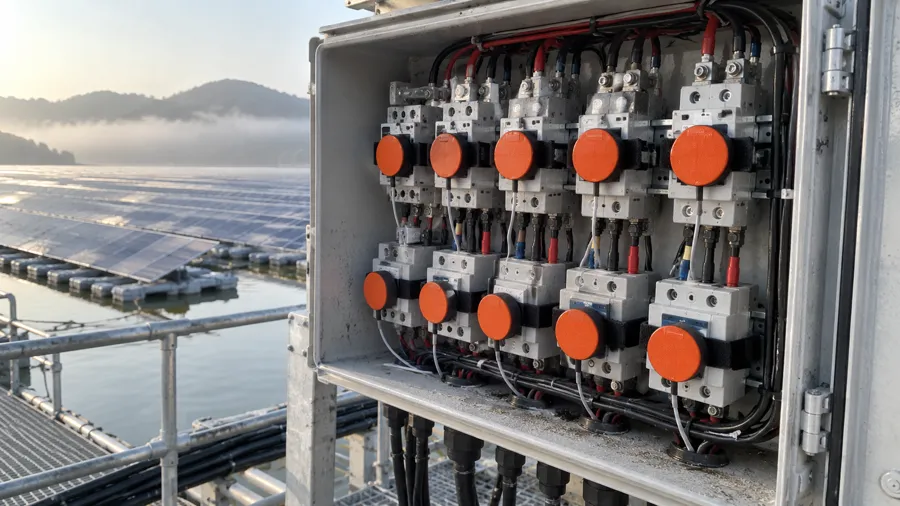
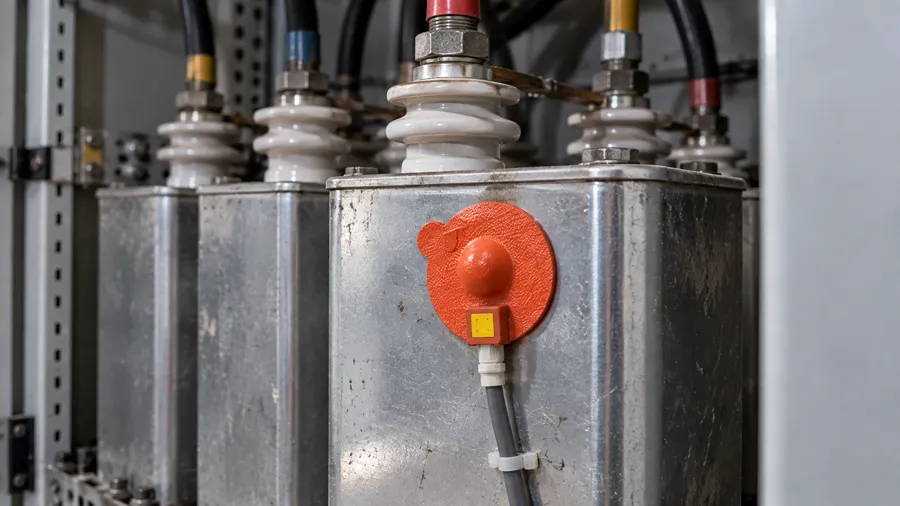
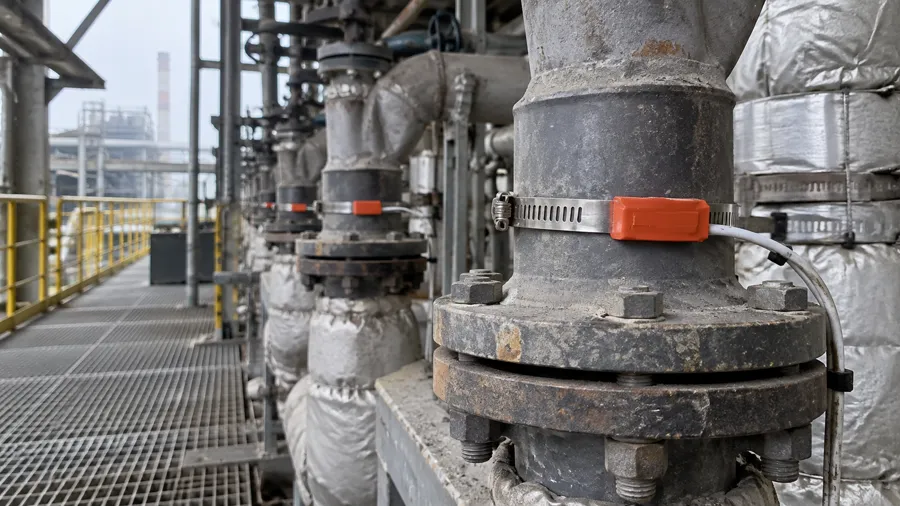
Because the hopper is sealed, the only place to read temperature is the outside wall. A large-area Thermalpas G-TYPE sensor (100 × 100 mm, thermal conductivity 1.5 W/mK) was bonded flat to the steel. Its reading stays close to the true wall temperature, so changes inside the hopper can be tracked through the wall. A yellow warning is issued when the hopper comes within 30°C of the auto-ignition threshold.
The outcome
At one coal-fired power plant in Taiwan the system has run since 2021 — five years with zero auto-ignition events. The plant was alerted twice on rising trends; both times maintenance opened the hopper during a planned outage, found localized heat zones, and cleared them. The plant estimates a single fly-ash fire, with a 3-day shutdown and boiler-tube repair, at $5M+.
Have a similar asset at your plant?
Tell us which asset worries you most (busbars, motors, panels, chillers), and we'll show you what an OctosX deployment there would look like.