Power & Electrical ★ Flagship Case FPCC Mailiao

FPCC Mailiao Power Plant — Automated Soot-Blower Thermal Monitoring

Coal combustion deposits soot on boiler tubes, degrading heat transfer.

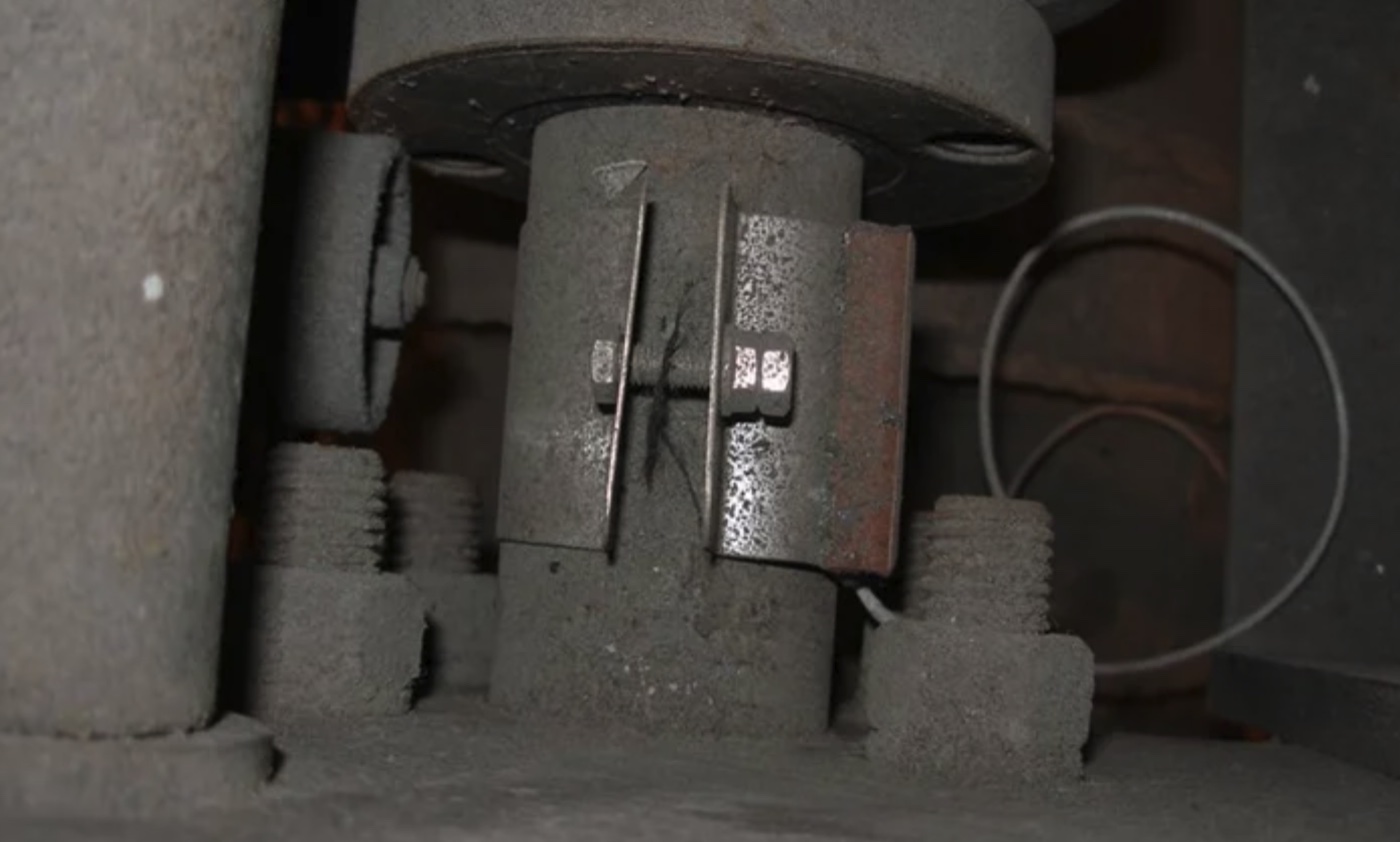
FPCC Mailiao Power Plant — Automated Soot-Blower Thermal Monitoring — field installation photo
FPCC Mailiao · Power & Electrical

01 The Problem

Background

Coal combustion deposits soot on boiler tubes, degrading heat transfer. Soot blowers cyclically purge tubes with high-pressure steam. A malfunctioning blower that runs continuously erodes tubes to rupture, forcing emergency shutdown.

10-Year Pre-Implementation Losses

4 incidents: FP2 (89.05.09) NT$ 31.3M / 3 days; FP3 (93.04.28) NT$ 75.5M / 12 days; UPB (94.06.07) NT$ 21.4M / 2 days; UPB (94.06.17) NT$ 0.36M / 2 days.

Why Thermalpas RTD (Not Infrared)

Comparison: Infrared (fails when occluded by ash) / Thermocouple (high-temp drift, requires compensation) / Thermistor (< 100°C only, poor accuracy) / Thermalpas RTD (contact type, IP67, reusable, customizable) — clear winner.

Field Installation & Soot Test

Installation location: short-range soot-blower angle valve outlet (top view). After 3 weeks, sensor surface is coated with fly ash.

ROI Analysis

Pre-implementation 10-year loss NT$ 128.5M = NT$ 12.85M/year average. OctosX deployment capex NT$ 13.46M. Payback = 13.46 ÷ 12.85 ≈ 1.1 years.

02 The OctosX Solution

Background

Scope: 100 soot blowers on MHI boiler + 176 on CE boiler = 276 total. Coverage spans Long-range (superheater), Medium (economizer), Short (waterwall), AS (air preheater), DUCT ECO.

10-Year Pre-Implementation Losses

Root cause analysis: all 4 incidents share three factors — valve anomaly + continuous blowing + delayed human detection. The solution must be continuous automated monitoring with real-time alerts, not more frequent manual patrol.

Why Thermalpas RTD (Not Infrared)

Mailiao customization: (1) high surface contact (2) IP67 protection (3) reusable mounting (4) custom sizing per blower type.

Field Installation & Soot Test

Despite contamination, temperature accuracy is fully preserved — the decisive advantage of contact-type RTD over IR: direct heat conduction, not optical path.

ROI Analysis

10-year aggregate: NT$ 128.5M avoided loss + system residual value + maintenance-labor savings = NT$ 115M+ net benefit (discounted).

03 The Outcome

Background

Pre-implementation: 4 tube-rupture incidents over 10 years, totaling NT$ 128.5M losses + 19 days of forced shutdown. Every root cause was a "human-patrol blind spot."

10-Year Pre-Implementation Losses

The aggregate NT$ 128.5M loss directly underwrites the OctosX ROI baseline: a NT$ 13.46M investment averts NT$ 12.85M annual loss — 1.1-year payback.

Why Thermalpas RTD (Not Infrared)

The Japanese long-range IR solution was retired: IR probes fail when blocked by fly ash, as the previous generation proved. Thermalpas RTD passed a 3-week soot-coverage test.

Field Installation & Soot Test

Deployed units at Mailiao: UPA, UPB, UPC, FP1, FP2 + Public Plant 1 MP6. Horizontal expansion to China Steel, Chang Chun, FCFC, Asia Polymer captive power plants is fully justified.

ROI Analysis

This single case underwrites OctosX's entire Power-sector go-to-market. Taipower's 4 plants, China Steel captive power, Chang Chun Chemical, FCFC Dashe, Asia Polymer all fit the same pattern.

Audited ROI Numbers

NT$ 12.85MAnnual avoided loss
NT$ 13.46MSystem CapEx
1.1 yrsPayback period
NT$ 115M+10-year NPV

All figures verified by FPCC's internal improvement report. Reference call available subject to mutual NDA.

See it in your plant

Could this case be your plant?

Tell us about your facility — busbars, motors, panels, coal blowers, chillers, whatever your highest-risk thermal interface is — and we'll show you what an OctosX deployment would look like.